
Request a Free Consultation
Text 817-864-1624
Call 817-752-9033

Recent Blog Posts
How Does a Bankruptcy Attorney Get Paid?
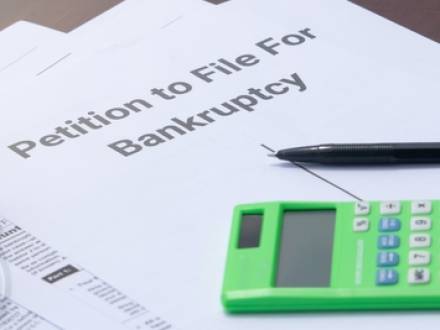 It is safe to say that if you are filing for bankruptcy, or thinking about it, you are probably experiencing serious financial hardship and owe too much debt for comfort. You may be thinking that the last thing you can afford right now is an attorney to handle your bankruptcy case. You may also be curious about how bankruptcy attorneys get paid, given that everyone who files for bankruptcy is in a similarly bad financial situation.
The answers to these questions depend on the type of bankruptcy you are filing, but in general, filing for bankruptcy can be cheaper than continuing to accrue debt, and there are manageable ways to pay for your attorney. You should bring these questions up during a complimentary consultation with your Arlington, TX bankruptcy attorney, who can explain the costs of bankruptcy and legal representation.
Who Is a Good Candidate for Chapter 13 Bankruptcy in Texas?
 When most people unfamiliar with bankruptcy think about what it means, they tend to imagine the specifics of Chapter 7 bankruptcy. After all, this is the most common type of bankruptcy, in which a debtor liquidates their nonexempt assets to pay back creditors and in exchange gets many of their debts discharged. Chapter 7 is a good option for many people, but it may not be the right option for everyone. Chapter 13 bankruptcy is also a powerful tool for individuals facing significant debts. For some, Chapter 13 might be the best choice, and for others, it could be the only option available. A knowledgeable Wise County, TX Chapter 13 bankruptcy attorney can review your financial situation and advise you on what type of bankruptcy might be best to file for.
What Is Chapter 13 Bankruptcy?
Chapter 13 bankruptcy allows individuals to make a court-approved payment plan to repay their debts over three to five years. Chapter 13 is sometimes called the "wage earner’s bankruptcy" because it tends to be a good fit for people with a steady income to make the monthly payments.
What Should I Know About Mortgage Modifications?
 If you are struggling to make your mortgage payments, there are legal avenues that can offer you relief. One such avenue is a loan modification. Successfully negotiating a loan modification with the owner of the loan can not only keep your home out of foreclosure–with all the peace of mind that brings–but also lessen your financial burden. Yet getting a loan modification is not a cut-and-dry process, nor is it certain that you will be granted one. If you are considering this, speak with an experienced Dallas, TX mortgage modification attorney to understand your options.
What Is a Loan Modification?
When you receive a loan modification, the lender agrees to change the terms of the loan, usually by reducing monthly payments, lowering the interest rate, extending the term of the loan, or forgiving some of the principal you owe. Any late fees are usually added to the principal in a loan modification.
What Will My Life Look Like After Filing Bankruptcy?
 If you are struggling to pay overwhelming debt, you may be thinking about filing for bankruptcy. From debt relief to an automatic stay that prevents creditors from harassing you, there are several advantages to filing Chapter 7 or Chapter 13 bankruptcy. Still, you may have misgivings and wonder what your life will look like after you file.
Filing for bankruptcy is a major decision, and finding out the potential consequences is smart. One of our knowledgeable Parker County, TX bankruptcy attorneys can answer your questions and help you decide if this form of debt relief is right for you.
Can I Get Past the Guilt of Not Honoring My Financial Obligations?
Many people have a moral dilemma about filing for debt relief through bankruptcy. You may have borrowed money through loans, credit cards, or other methods with the full intention of repaying what you owe. It is natural to feel uneasy about not being able to meet your financial obligations, but remember that many Americans are in similar situations.
Benefits of Declaring Bankruptcy
 Bankruptcy can sometimes get a bad reputation. Some people have a perception that it is a negative process that will destroy your credit and that only irresponsible people file for bankruptcy. These misconceptions are not accurate; hard financial times can happen to anyone, triggering a buildup of debt that is impossible to get out from under.
The truth is that these negative ideas about bankruptcy can hurt individuals and families who would otherwise turn to bankruptcy as a way to get a fresh financial start and clear their debts. To counter that viewpoint, it can be helpful to understand some of the benefits of filing for bankruptcy that can make your life better in bankruptcy and beyond. Discussing these concerns with an experienced Dallas, TX bankruptcy attorney can help.
You Get to Keep Your Assets
Certain important assets are exempt from bankruptcy, meaning that they do not become part of the bankruptcy estate and you get to keep them. In fact, Texas has one of the most generous bankruptcy exemptions, including a homestead exemption that allows you to keep unlimited equity in your home in certain circumstances. If you file for bankruptcy in Texas, you will likely also get to keep your car and other personal property.
Is It Better to File For Bankruptcy or Divorce First?
 Sometimes life throws more than one challenge our way at a time. Such is the case if you are facing the difficult prospect of having to file for bankruptcy and divorce around the same time. Yet this can happen more often than you would think, given the impact of financial struggles on marriages and the heavy financial toll divorce can take.
From a purely legal standpoint, there are important considerations to keep in mind when deciding whether to file for divorce or bankruptcy first. An experienced Wise County, TX bankruptcy attorney can advise you on your options for filing bankruptcy or divorce, taking into consideration your debt, property, whether your divorce is amicable or not, and other factors.
How Can Divorce Affect Chapter 7 Bankruptcy?
Because both Chapter 7 bankruptcy and divorce concern the division or distribution of assets, what happens in divorce can affect bankruptcy and vice versa. For example, if a spouse files for bankruptcy some of your joint assets will become part of the bankruptcy estate, meaning that they will not be available for division between the spouses in the divorce.
Secured Credit Cards in Bankruptcy and Beyond
 Life takes money, and one of the ways Americans pay for the things that they need is with credit cards. There are about 600 million credit card accounts in the United States, and approximately 90 percent of American adults have at least one credit card. Credit cards are convenient, yet they are also significant contributors to the massive debt that Americans have, with an average household credit card debt of $8,871, according to recent data.
So while credit card debt is a big reason why many people file for bankruptcy, it is also a convenience and even a necessity in today’s world. After all, building credit is a healthy financial goal, and credit cards help build credit.
One type of credit card that can be a good middle ground to build credit while keeping excessive debt at bay is a secured credit card. That is why it is also potentially a good tool to use after bankruptcy. An experienced Wise County, TX bankruptcy attorney can advise you on the effect of a secured card during your bankruptcy and beyond.
Pros and Cons of Negotiating a Debt Settlement With Creditors
 Debt settlement is a way for people with a lot of unsecured debt – usually credit card debt – to negotiate a realistic repayment plan. Usually, negotiating a debt settlement means that your creditor will agree that you pay a lower sum than what you owe.
In exchange, you will agree to pay the debt back as a lump sum rather than in installments, and your creditor will "settle" the debt. Debt settlement can be a great way to wipe out much of your credit card debt, but it also comes with significant downsides. An experienced Parker County, TX debt settlement attorney can advise you on whether debt settlement is right for you.
Pros of Negotiating a Debt Settlement
Lowering Your Debt Amount
Probably the biggest benefit of successfully negotiating a debt settlement is that it is an opportunity to lower your debt. It can be a way to deal with a large amount of credit card debt.
How Do You Pass the Means Test for Chapter 7 Bankruptcy?
 If you face significant debt, you may be wondering whether filing for Chapter 7 bankruptcy is the right option for you. One important thing to keep in mind is that to qualify for Chapter 7 bankruptcy, you must pass the "means test." You generally pass the means test if your income falls below the median Texas income. An experienced Fort Worth, TX attorney can advise you on whether you are likely to pass the means test to file Chapter 7 bankruptcy.
What Is The Purpose of the Means Test?
The means test is a protective measure put in place to ensure that high-income individuals do not abuse Chapter 7 to discharge debts they may be able to pay. The means test measures your "means" or ability to pay back debtors and, at its core, is a formula used to determine if your income is low enough to qualify for Chapter 7 bankruptcy, which is the quickest, simplest, and most forgiving form of bankruptcy.
Can Bankruptcy Help Me Avoid Foreclosure in Texas?
 Bankruptcy can sometimes help stop or delay foreclosure in Texas, but it is not a one-size-fits-all solution. It depends on how far the foreclosure has progressed and which type of bankruptcy you qualify for. In a 2025 ATTOM housing report, Texas ranked among the states with the highest numbers of foreclosure filings, showing that many local homeowners are still struggling to keep their homes.
As of 2026, lenders in Texas can move quickly once a homeowner falls behind. Bankruptcy does not erase every mortgage problem, but it can slow things down. If you are worried about losing your home, speaking early with a Parker County, TX bankruptcy lawyer at Acker Warren P.C. is the first step to knowing whether bankruptcy could give you time or options.


From our office in Arlington, we serve clients throughout Tarrant County, Dallas County, Parker County, Denton County, Wise County, Dallas, Fort Worth, Irving, Grand Prairie, Bedford, Keller, Euless, Richland Hills, North Richland Hills, Mansfield, Coppell, Kennedale, Las Colinas, Burleson, Azle, Saginaw, Haltom City, Watauga, Southlake, Benbrook, Colleyville, Grapevine, Crowley, Aledo, Roanoke, Trophy Club, Carrollton, Farmers Branch, Richardson, and Hurst, as well as other communities across North Texas.
Results listed are not a guarantee or indication of future case results.
2205 W. Division St., Suite A-2, Arlington, TX 76012
817-752-9033


Contact Our Firm
 The use of the Internet or this form for communication with the firm or any individual member of the firm does not establish an attorney-client relationship. Confidential or time-sensitive information should not be sent through this form.
I have read and understand the Disclaimer and Privacy Policy.